
How to Clean Silver Jewelry Safely: Care Tips and Common Mistakes

Silver jewelry is easy to keep clean with regular, gentle care. The right method, however, depends on how each piece is made. Uncoated sterling silver needs different care from rhodium-plated or gold-plated silver. Gemstones, pearls, and other delicate details also affect which cleaning methods are suitable.
A soft cloth is often enough to remove fingerprints and light dirt. A suitable silver polishing cloth may help with tarnish on uncoated silver. Home remedies such as toothpaste or baking soda are not safe for every piece. When in doubt, start gently and follow the manufacturer’s care instructions.
How to Clean Silver Jewelry Quickly and Safely
If you are unsure whether your jewelry is plated or what kinds of stones it contains, start with gentle, dry cleaning:
- Gently wipe the piece with a soft, clean, lint-free cloth.
- Avoid abrasive cleaners, rough sponges, and brushes with stiff bristles.
- Do not use silver dips or ultrasonic cleaners until the materials, coatings, and stones are confirmed.
- If dirt is stubborn or a stone feels loose, ask a jeweler to inspect the piece.
A dedicated sterling silver polishing cloth may be suitable for light tarnish on plain, uncoated silver. Do not use one on plated finishes, gold-plated pieces, or delicate gemstones unless the manufacturer specifically approves it. Polishing can gradually wear away the surface.
Why Does Sterling Silver Jewelry Tarnish?
Silver can react with sulfur compounds in the environment and form dark silver sulfide, a common cause of tarnishing. Small amounts of sulfur compounds can be present in the air or on the skin. 925 sterling silver contains 92.5% silver and 7.5% other metals, usually copper. Those alloying metals can also affect surface discoloration.

To reduce contact with moisture, sweat, and chemicals, remove jewelry before exercising, showering, swimming, or cleaning. Store pieces in a dry place, separate from other jewelry. Regular wear does not reliably prevent tarnish; the material, finish, storage, and care routine all matter.
How to Care for Different Silver Jewelry Finishes
Uncoated Sterling Silver
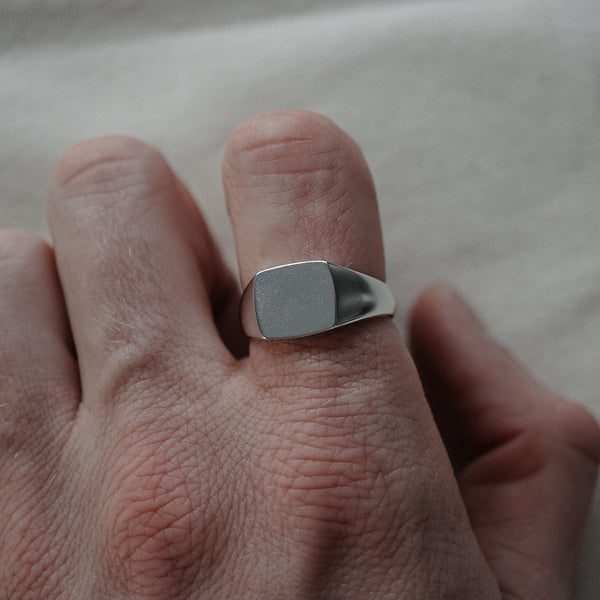
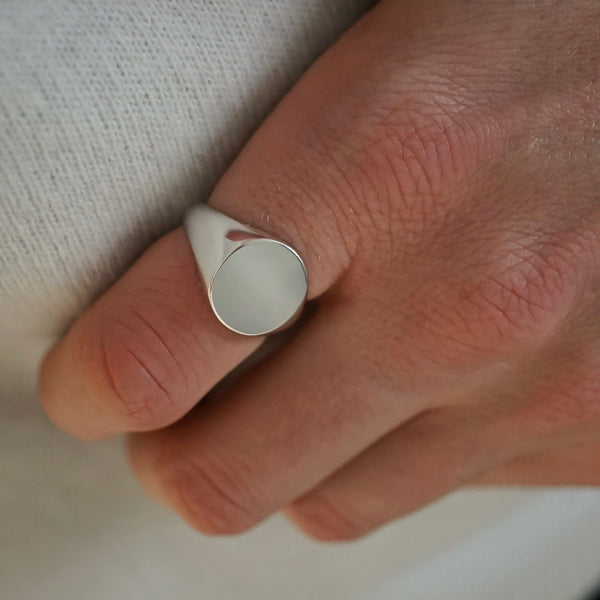
For plain, uncoated sterling silver, remove light dirt with a soft cloth. If tarnish develops, a polishing cloth specifically approved for sterling silver may help. Use light pressure and avoid frequent or aggressive polishing. Abrasive cleaning can remove small amounts of metal or alter engraving, decorative details, and intentionally darkened finishes.
For heavier tarnish, a product expressly suitable for the particular piece may be an option. Follow its instructions closely, and do not use it on coatings, gemstones, or other materials unless they are explicitly listed as compatible.
Rhodium-Plated Silver
Rhodium-plated silver has a thin layer of rhodium that gives it a bright, even finish and can slow tarnishing of the silver beneath it. That layer is not permanent and can wear over time through friction or intensive cleaning.
Gently wipe rhodium-plated jewelry with a soft, dry cloth. Avoid silver polishing cloths, silver dips, toothpaste, baking soda, and other abrasive products unless the manufacturer specifically approves them. They may damage or dull the coating. Check the care instructions before using water or other cleaning products on stubborn dirt.

Gold-Plated Silver
Gold-plated silver has a layer of gold over the silver. The finish requires particularly gentle care. Wipe the piece with a soft, dry cloth after wearing it. Avoid silver polish, chemical dips, abrasive products, and vigorous rubbing. Toothpaste and baking soda can also damage gold plating.
Water, perfume, cosmetics, household cleaners, and chlorine can put extra wear on the surface. Take gold-plated jewelry off before showering, swimming, or cleaning. Do not assume that every gold-plated piece is waterproof.
Silver Jewelry With Gemstones, Pearls, or Delicate Details
For jewelry with stones, the metal is only part of the picture. Pearls, coral, turquoise, opals, and other porous or delicate materials may be affected by moisture, chemicals, heat, or physical force. Treated stones and glued components require extra care.
Start by gently wiping these pieces with a soft, dry cloth. Avoid silver dips and ultrasonic cleaners if you do not know the stone type or treatment. Even stones that look durable may have inclusions, fillings, or delicate settings. A jeweler can advise on a safer method.
This also applies to rings with gemstones and pendant necklaces that contain delicate elements.
Intentionally Blackened or Oxidized Silver
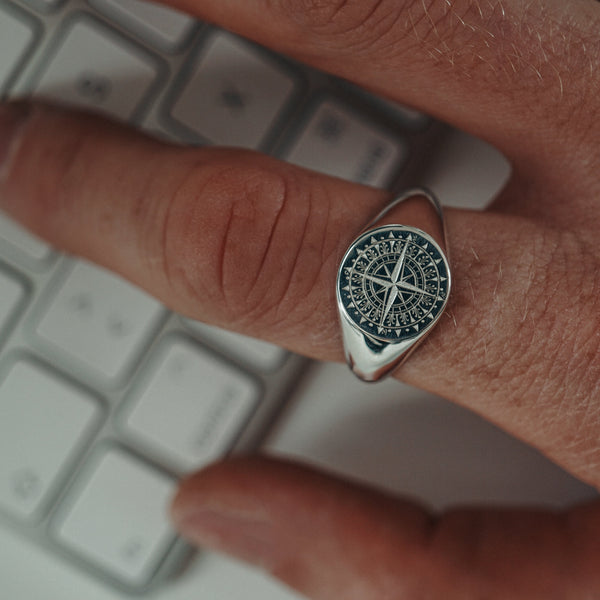
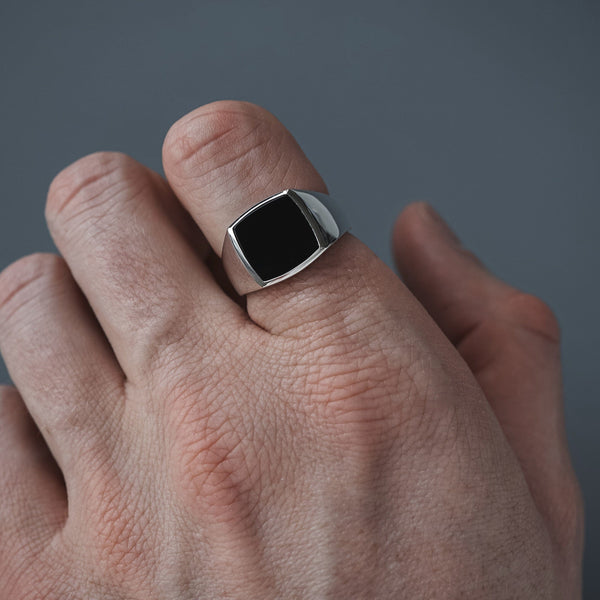
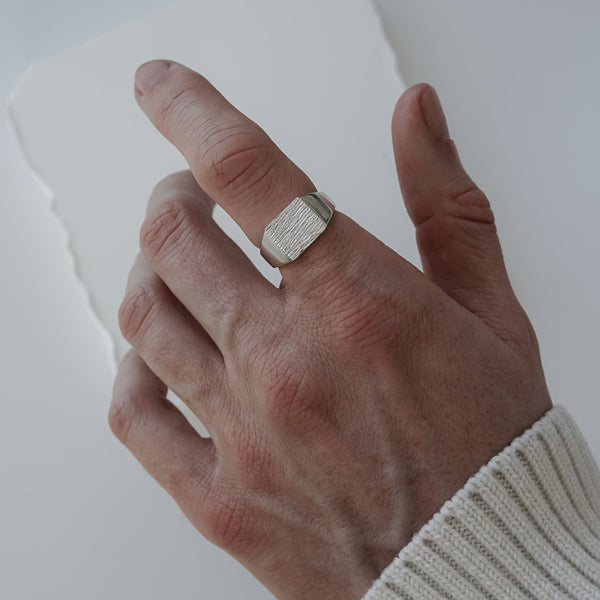
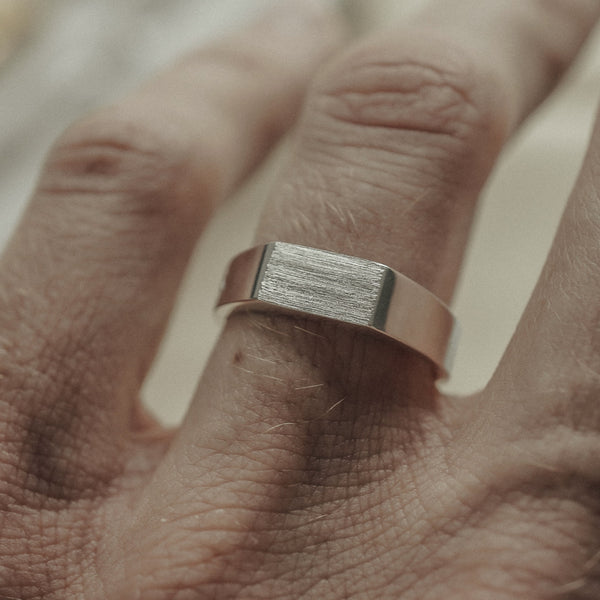
On intentionally blackened silver, the dark areas are part of the design. Abrasive polishes, silver dips, and the aluminum-and-salt method can damage that contrast. Do not sand or refinish these pieces yourself with rough sponges, sandpaper, or abrasive pads. Start with a soft, dry cloth and ask a professional about more intensive cleaning.













Cleaning Methods You Should Not Use on Every Piece
Toothpaste and Baking Soda
Toothpaste and baking soda are often promoted as home remedies, but both can be abrasive. Rubbing them on jewelry can create fine scratches or dull areas. Plating, intentional oxidation, and delicate stones are particularly vulnerable. Do not treat these products as general-purpose jewelry cleaners.
The Aluminum-and-Salt Method
The aluminum-and-salt method uses an electrochemical reaction to remove silver tarnish. It is not suitable for every piece. Coatings, intentionally oxidized areas, soldered joints, hollow spaces, and decorative materials may be affected. Do not use it as a universal home-care solution, especially if the jewelry’s construction is unknown.
Silver Dips and Chemical Cleaners
Chemical silver dips can remove tarnish, but they are not automatically compatible with rhodium-plated, gold-plated, intentionally darkened, or gemstone-set silver. They may damage other materials or alter decorative finishes. Use one only when the product instructions expressly cover the exact jewelry item. The same rule applies to specialized jewelry cleaning kits.
Ultrasonic Cleaners
An ultrasonic cleaner is not a safe default for silver jewelry. Vibrations can damage delicate or treated gemstones and loosen settings. Pearls, coral, opals, turquoise, and other sensitive materials should not go into an ultrasonic bath without professional assessment. Coatings and glued components can also pose problems.
How to Store Silver Jewelry Properly
Proper storage can help slow tarnishing. Keep silver jewelry as dry as possible and separate from other pieces. A soft jewelry pouch or closed case helps prevent scratches and reduces exposure to air and humidity. Anti-tarnish pouches or suitable protective cloths may also help.

Avoid leaving jewelry in the bathroom, where humidity tends to be higher. Store necklaces separately to prevent tangling, and do not keep jewelry loose alongside harder or sharp-edged objects. Find suitable cases and storage products in our jewelry accessories collection.
5 Tips for Gentle Silver Jewelry Care
- Start gently: Remove light dirt with a soft, clean, dry cloth.
- Check the finish: Distinguish uncoated, rhodium-plated, gold-plated, and intentionally darkened silver.
- Avoid chemicals: Remove jewelry before sports, showering, swimming, or cleaning.
- Store carefully: Keep individual pieces dry in separate pouches or cases.
- Ask when unsure: Avoid silver dips, ultrasonic cleaning, and abrasive home remedies if materials, coatings, or stones are unknown.
When Is Professional Cleaning the Better Choice?
If the silver is heavily tarnished, the plating looks damaged, or a stone is loose, do not experiment with stronger cleaning products. A jeweler can determine which treatment suits the surface and construction. This is particularly important for mixed materials, delicate settings, and intentionally darkened details. Professional help is also advisable before repolishing or recreating a matte finish.
Frequently Asked Questions About Cleaning Silver Jewelry
What is the best way to clean silver jewelry?
For everyday care, a soft, dry cloth is often enough. A suitable silver polishing cloth may remove light tarnish from plain, uncoated sterling silver. Coated pieces and jewelry with sensitive stones require different methods.
Can I clean silver jewelry with toothpaste?
It is not recommended. Toothpaste may contain abrasives that can scratch or dull the surface. Plating and delicate gemstones are especially susceptible to damage.
Does baking soda remove tarnish from silver?
Baking soda should not be used as an all-purpose jewelry cleaner. Its abrasive action can scratch surfaces and damage coatings. Choose a care product approved for the exact piece instead.
Can silver jewelry go in an ultrasonic cleaner?
Not always. Ultrasound can damage sensitive or treated stones and loosen settings. Avoid it when gemstones, coatings, or glued elements are unknown, and seek professional advice.
How do I clean rhodium-plated silver?
Gently wipe it with a soft, dry cloth. Silver polishing cloths, silver dips, and abrasive home remedies can damage the rhodium layer unless the manufacturer explicitly approves their use.
Can gold-plated silver jewelry get wet?
Do not assume it is waterproof. Water, soap, chlorine, and cosmetics can wear down the plated finish. Remove it before showering or swimming whenever possible.
About the author

Anna
Discover more


