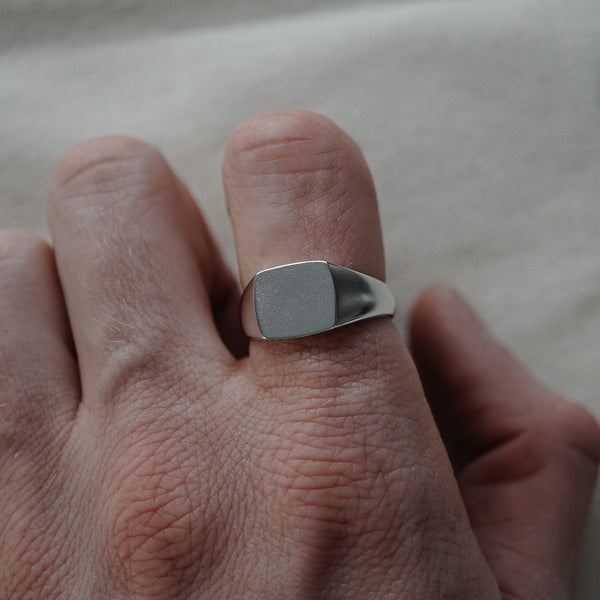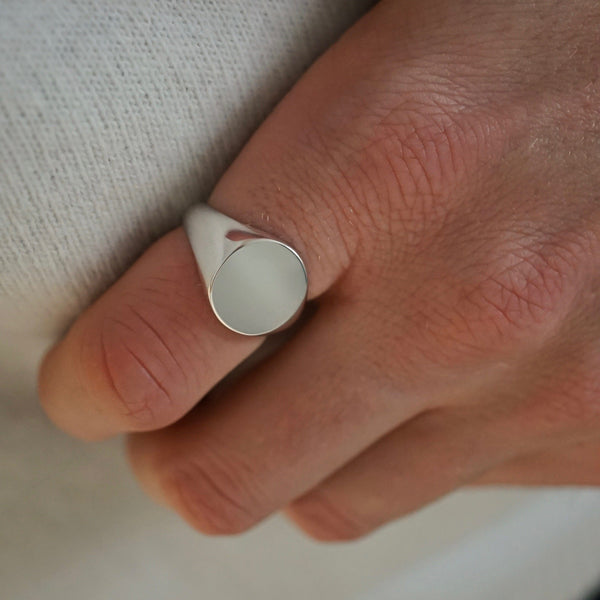
What Is Rhodium-Plated Sterling Silver?

Rhodium-plated sterling silver is 925 silver covered with a thin layer of rhodium. The two metals have different roles: sterling silver forms the body of the jewelry, while rhodium sits on the surface and changes its color, shine, and resistance to tarnishing. If you're wondering what rhodium-plated sterling silver is, the key point is that rhodium is a coating, not a replacement for the silver underneath.
Rhodium is a rare precious metal from the platinum group. Its bright, cool-white finish is often used to give sterling silver jewelry a refined shine and an added barrier between the silver and its surroundings. The coating is thin, so the jewelry remains sterling silver at its core.

What is the difference between rhodium and sterling silver?
Sterling silver and rhodium are different materials. Sterling silver is an alloy made from 92.5% silver and 7.5% other metals. Rhodium is a separate precious metal that can be applied as a thin finish over the silver. One describes the base material; the other describes the surface coating.
That means rhodium-plated sterling silver is still genuine 925 silver. The coating does not change the core's composition. For more about the alloy, its hallmark, and why silver can tarnish, read our guide to 925 sterling silver jewelry.
How does rhodium plating work?
Rhodium plating is generally applied through an electroplating process. A jeweler cleans and prepares the piece, then places it in a solution containing rhodium compounds. An electric current helps deposit a very thin layer of rhodium onto the surface. Proper preparation and specialist equipment help achieve an even finish.
The coating's thickness varies by manufacturer and product. There is no single coating thickness or guaranteed lifespan that applies to every piece. The process changes the finish, not the fact that the underlying jewelry is sterling silver.
Rhodium-plated vs. non-rhodium-plated silver
The main difference is the outer surface. Rhodium-plated silver usually looks brighter and cooler, while unplated sterling silver shows the natural tone of the alloy. Neither is automatically better: the choice depends on appearance, wear, and preferred maintenance.
| Feature | Rhodium-Plated Sterling Silver | Unplated Sterling Silver |
|---|---|---|
| Base material | 925 sterling silver | 925 sterling silver |
| Surface | Thin rhodium coating | Natural silver alloy surface |
| Color | Bright, cool-white finish | Natural silver tone that can appear slightly warmer |
| Tarnishing | Intact coating helps slow tarnishing of the silver underneath | Exposed surface can tarnish through contact with sulfur compounds |
| Care | Gentle cleaning; avoid abrasive polish and harsh chemicals | Suitable silver-care products may be used when compatible with the piece |
| Wear over time | Coating can wear, especially in high-friction areas | Surface can develop marks and tarnish but has no plating to wear off |
Advantages of Rhodium-Plated Silver Jewelry
Advantage 1: Protection Against Tarnishing
Silver can develop dark discoloration when it reacts with sulfur-containing substances in the environment. An intact rhodium coating acts as a barrier between the silver and these substances, helping slow tarnishing of the metal beneath. It does not provide permanent protection: if the coating wears away, the exposed silver can tarnish.
Do not treat rhodium-plated jewelry like uncoated silver when cleaning it. Conventional silver dips, abrasive polishing cloths, and harsh cleaners may damage or remove the thin finish.
Advantage 2: Brighter Color
Rhodium often gives sterling silver a bright, cool-white appearance with a more uniform shine. Unplated silver has its own natural tone, which can appear slightly warmer. Rhodium plating is also used on some white gold jewelry for a similarly bright finish.

Advantage 3: More Scratch-Resistant and Durable
Rhodium is a hard metal, so its coating can help the outer surface resist certain light marks. That does not make jewelry scratch-proof or prevent wear. Because the layer is thin, repeated contact and friction can gradually affect the finish, especially on rings worn every day.

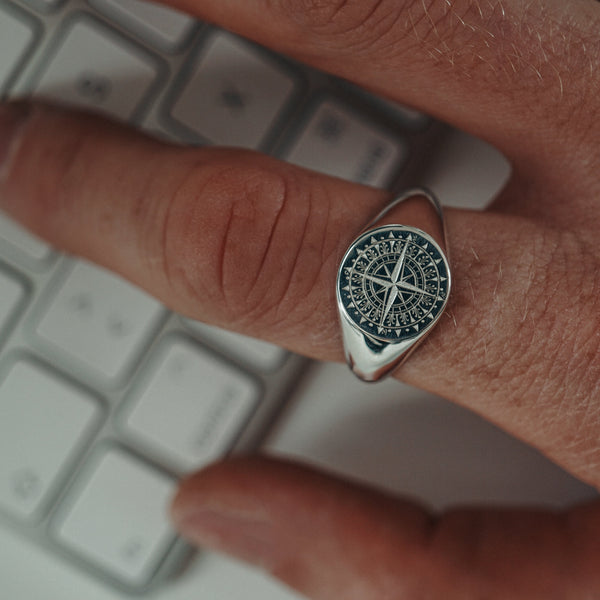


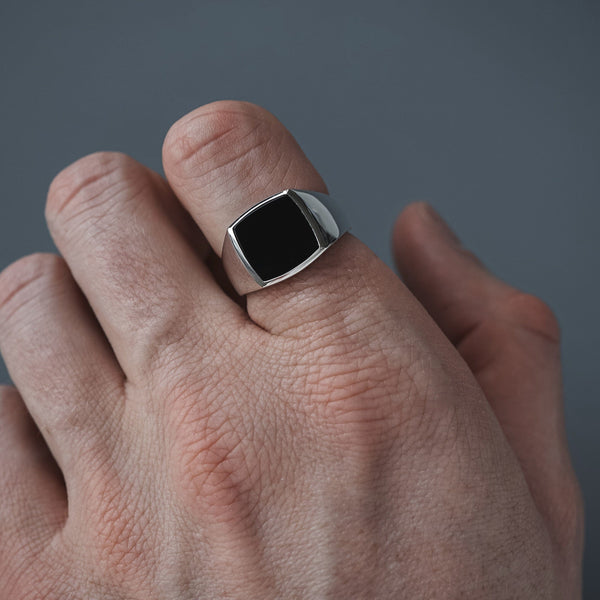










Are there any disadvantages?
Rhodium plating is not permanent. The layer can gradually wear in areas that rub against skin, clothing, tools, or other jewelry. On rings, the underside and raised edges may show changes sooner than less-exposed areas. When the coating thins, the natural color of the silver underneath may become visible.
Replating may be possible, but a professional jeweler must inspect the piece and determine whether it can be prepared and coated again. This can involve extra cost. Some people also prefer the natural look of unplated sterling silver and want to avoid having a coating renewed.
Rhodium-Plated Jewelry: A Trend Not Just for Women

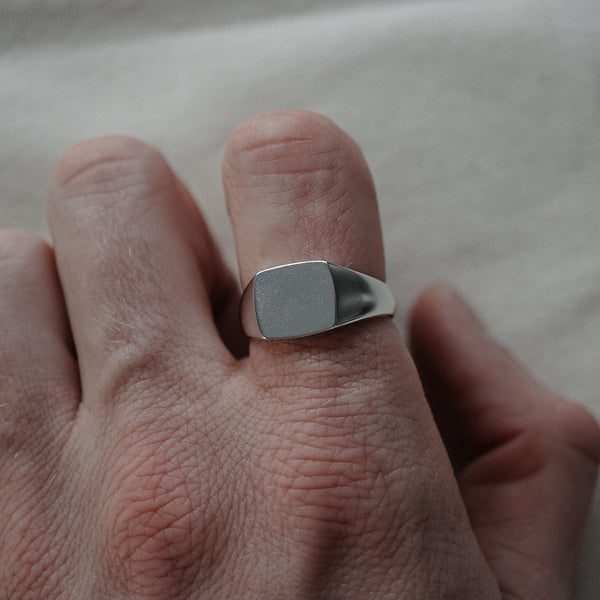
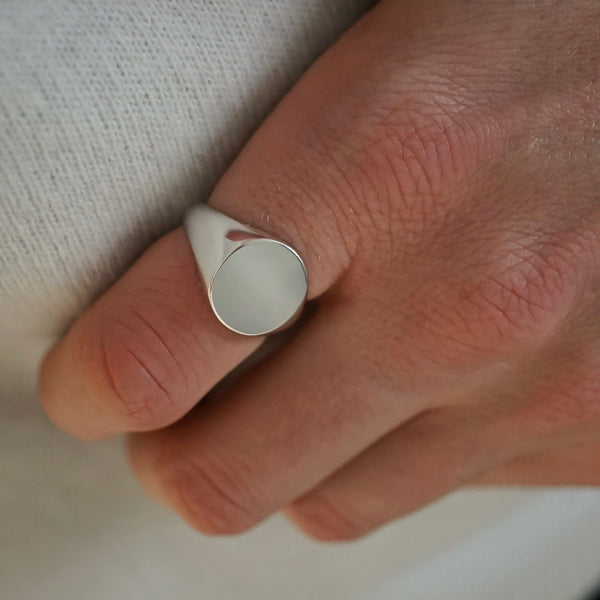
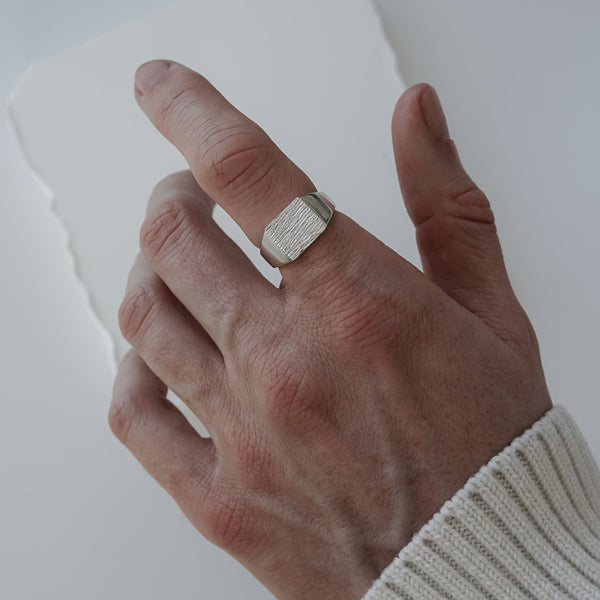
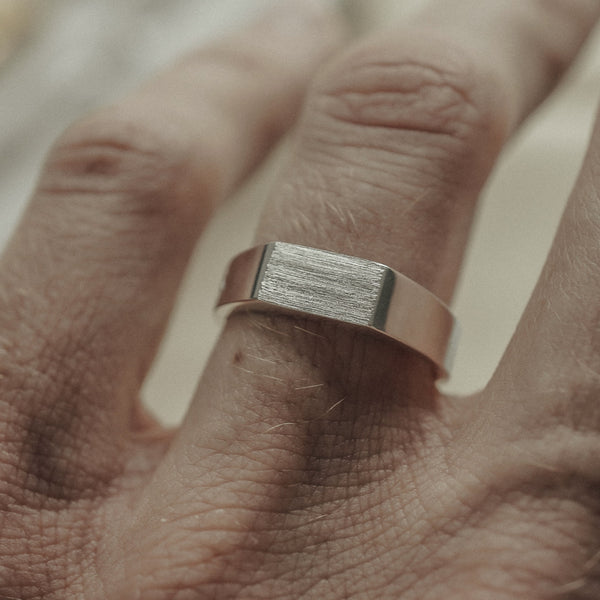
Rhodium-plated rings, necklaces, and bracelets work well with a wide range of men's jewelry styles. The bright silver finish suits both everyday pieces and more formal looks. When choosing jewelry, consider the design, fit, and base material as well as the finish.
Rhodium plating is an optional surface treatment, not a guarantee of higher quality or investment value. The right choice depends on whether you prefer a cool-white finish or the natural appearance of unplated sterling silver.
The Special Features of Rhodium-Plated Jewelry:
- Added barrier: An intact rhodium coating helps reduce the silver's exposure to substances that cause tarnishing.
- Bright finish: The surface can appear cooler and more reflective than unplated sterling silver.
- Durability with limits: Rhodium is hard, but its thin coating can scratch or wear through friction over time.
How to care for rhodium-plated sterling silver
Use a soft, clean, lint-free cloth to remove fingerprints and light marks. Avoid strong pressure or polishing the piece as you would uncoated silver. Abrasive cloths, polishing pastes, and silver dips can damage the rhodium layer.
- Keep jewelry away from perfume, hairspray, lotions, and household cleaners.
- Remove it before swimming, showering, sports, or activities that cause repeated friction.
- Store each piece separately in a dry pouch or jewelry box to help prevent scratching.
- If water and mild soap are needed, use them only when the manufacturer's instructions and any gemstones or settings allow it; dry the piece completely.
If the finish needs more than gentle cleaning or appears worn, consult a professional jeweler. For material-specific advice, see our silver jewelry cleaning guide.
Frequently asked questions
What is rhodium-plated sterling silver?
It is 925 sterling silver covered with a thin layer of rhodium. The sterling silver forms the jewelry's base; rhodium is a surface finish that often creates a bright, cool-white look.
Is rhodium the same as sterling silver?
No. Sterling silver is an alloy containing 92.5% silver. Rhodium is a separate precious metal used as a thin coating on some jewelry.
Does rhodium-plated silver tarnish?
The rhodium coating helps protect the silver from tarnishing while the finish remains intact. If the layer wears down or becomes damaged, the exposed silver may tarnish.
Does rhodium plating wear off?
Yes. Everyday friction, impacts, and exposure to unsuitable chemicals can gradually wear away the thin coating. High-contact areas, including the underside of rings, may show wear sooner.
Can you polish rhodium-plated silver?
Use a soft, nonabrasive cloth and gentle pressure. Avoid conventional silver polish, abrasive polishing compounds, and silver dips unless the jewelry manufacturer specifically confirms they are suitable for the finish.
Can rhodium-plated sterling silver be replated?
In many cases, yes. A professional jeweler can assess the condition of the piece and determine whether a new rhodium coating can be applied.
Is rhodium-plated silver better than regular sterling silver?
Neither finish is best for everyone. Rhodium-plated silver offers a bright surface and added protection against tarnishing while the coating lasts. Unplated sterling silver keeps its natural appearance and has no coating to wear off.
Explore our men's 925 sterling silver rings and check each product's material and finish details before choosing.
About the author

Ben
Discover more